How to Become a Direct-Hire ALT in Japan (Step-by-Step Guide)
For many people, teaching English in Japan is one of the easiest ways to experience the country.
Most start with dispatch companies, but over time, many aim for something better:
Becoming a direct-hire ALT (Assistant Language Teacher).
Having gone through the process myself, I’ll break down:
- What to expect
- What a direct-hire ALT is
- How to apply
What Is a Direct-Hire ALT?
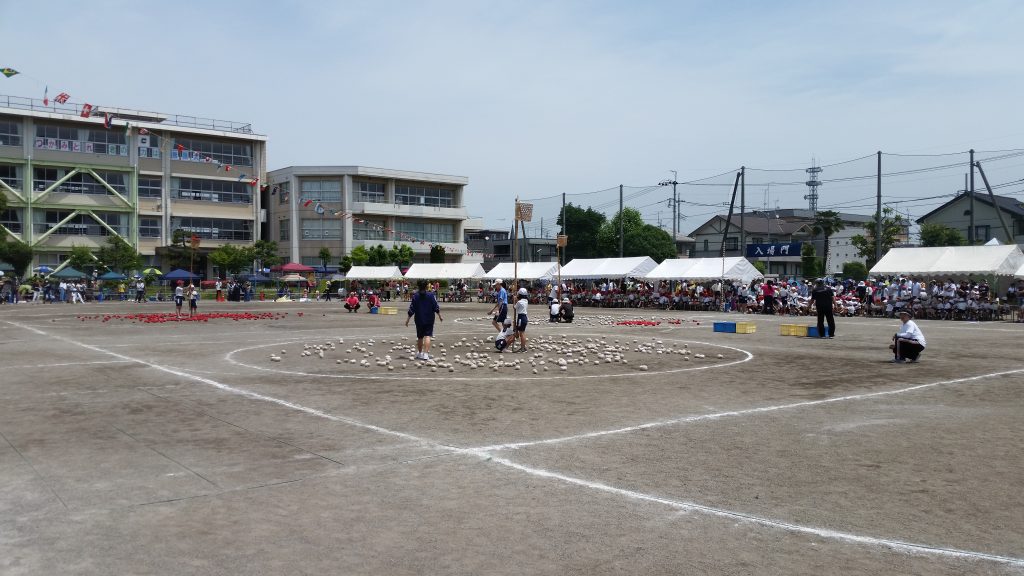
A direct-hire ALT is employed directly by a Board of Education (BOE) rather than through a dispatch company.
Key differences:
Dispatch ALT:
- Hired through a company
- Lower pay
- Less control
Direct-hire ALT:
- More responsibility and independence
- Hired directly by the city/BOE
- Better salary and benefits
Salary & Benefits
Direct-hire ALT positions can be significantly better paid.
Typical benefits may include:
- Salary up to ¥300,000–¥350,000/month
- Paid summer holidays (including August)
- Around 10+ days annual leave (increasing yearly)
- Sick leave
- Annual health checks
These vary depending on the prefecture.
Requirements to Become a Direct-Hire ALT
Requirements differ by city, but generally include:
- 2–3 years of teaching experience
- A degree (required for visa)
- A reference (ideally from a school)
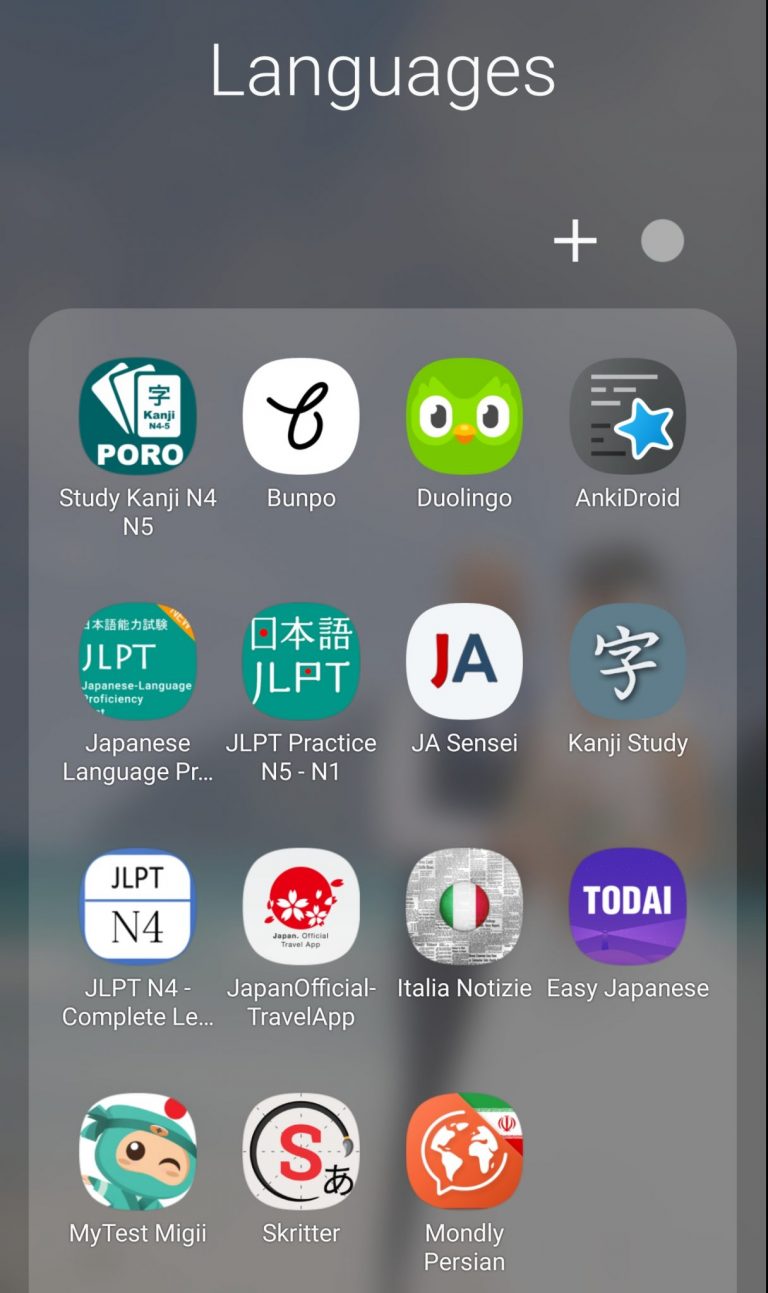
- Basic Japanese ability (very important)
Japanese ability is often what separates candidates.
How to Find Direct-Hire ALT Jobs
This is where many people get stuck.
These jobs are NOT usually advertised on sites like:
- GaijinPot
Instead, you need to:
- Check city or prefecture websites
- Look at BOE job listings
Tip:
Search for “ALT” in English on Japanese pages — this often indicates a listing.
When to Apply
- Main hiring period: January
- Occasional openings throughout the year
Be ready early — competition is strong.
The Application Process
Each city has its own application form.
Typical requirements:
- Completed application (Japanese or English)
- Supporting documents
- Reference letter
Example task:
You may be asked to write a lesson plan (e.g. for a 4th-grade class).
After You Apply
You’ll usually receive:
- A postcard/email confirming rejection or interview
If successful, you’ll be invited to an interview.
The Interview (What to Expect)
My interview lasted about 30 minutes:
- 20 minutes in English
- 10 minutes in Japanese
Typical questions:
- Why do you want to work in this city?
- Tell us about yourself
- How long have you been in Japan?
Japanese section isn’t about perfection —
they want to see effort and communication ability.
Important Reality of Direct-Hire ALT Work
While the benefits are better, so are the expectations.
You are expected to:
- Be more independent
- Work closely with teachers
- Handle more responsibility
There is less support compared to dispatch companies.
You’ll need to:
- Manage your own schedule
- Communicate directly with schools
- Handle paperwork (often in Japanese)
Tips to Increase Your Chances
- Improve your Japanese ability
- Get strong references (preferably from schools)
- Build at least 2+ years teaching experience
- Prepare for a Japanese interview
- Regularly check local government websites
Final Thoughts
Becoming a direct-hire ALT is competitive — but achievable.
If you:
- Prepare early
- Build experience
- Improve your Japanese
You give yourself a strong chance.
For me, it was a huge step up — both professionally and personally.
For more like “How To Become A Direct-Hire ALT And How You Could Get It Done!” please check my other posts and sing up to my weekly newsletter to stay up to date with my weekly posts: