How to Survive Japan’s Rainy Season (Complete Guide)
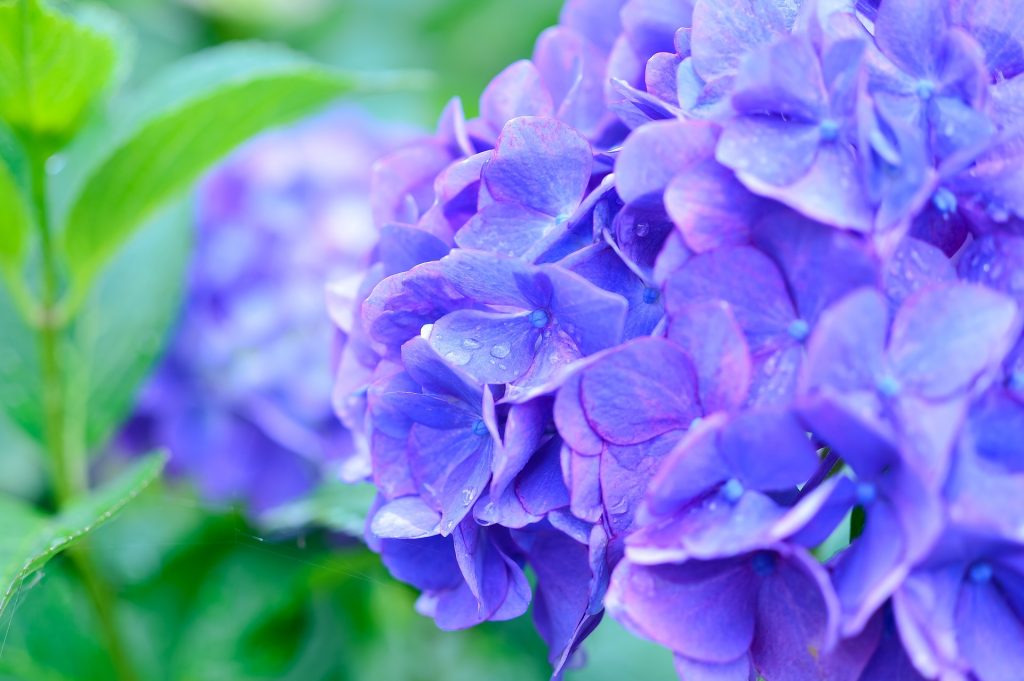
Japan’s rainy season (梅雨 tsuyu) can be one of the most uncomfortable times of the year.
Think:
- High humidity
- Long periods of rain
- Mold problems if you’re not careful
But it’s not all bad.
With the right preparation, you can not only survive it —
you might even start to enjoy it.
When Is Japan’s Rainy Season?
The timing varies depending on the region.
- Kanto (Tokyo area): Early June → Late July
- Okinawa: May → Late June
- Hokkaido: Minimal impact (often avoids full rainy season)
Regions like Kyushu tend to experience heavier rainfall and flooding.
The table below outlines the average start and end date for the rain season in Japan in 2020.
| Region | Start Date | End Date |
| Okinawa | May 8 | June 23 |
| South Kyushu | May 31 | July 15 |
| North Kyushu | June 5 | July 20 |
| Shikoku | June 5 | July 18 |
| Chugoku | June 7 | July 22 |
| Kansai | June 7 | July 22 |
| South Chubu | June 8 | July 21 |
| North Chubu | June 12 | July 24 |
| Kanto | June 8 | July 22 |
| South Tohoku | June 12 | July 25 |
| North Tohoku | June 14 | July 28 |
What Is the Weather Like?
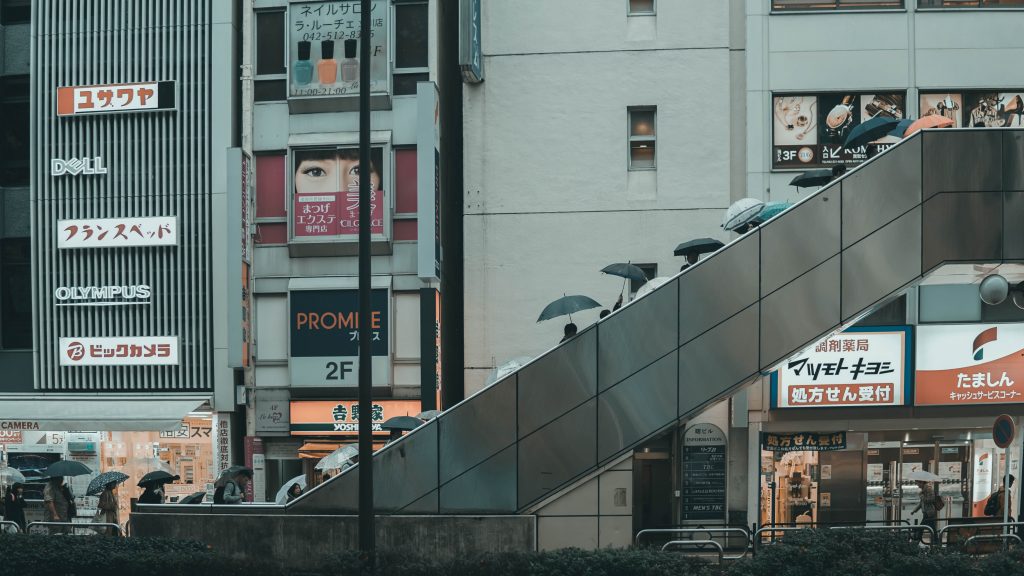
- Temperature: 20–30°C
- Very high humidity
- Frequent, heavy rain
The humidity is what makes it feel worse than the temperature.
What to Wear During Rainy Season
- Light, breathable clothing
- A raincoat or light jacket
- Waterproof shoes or rain boots (especially in flood-prone areas)
I personally avoid umbrellas and stick with a lightweight rain jacket.
How to Prepare Your Home (Very Important)
Humidity is the real problem — especially indoors.
1. Mold Killer (Kabi Killer)
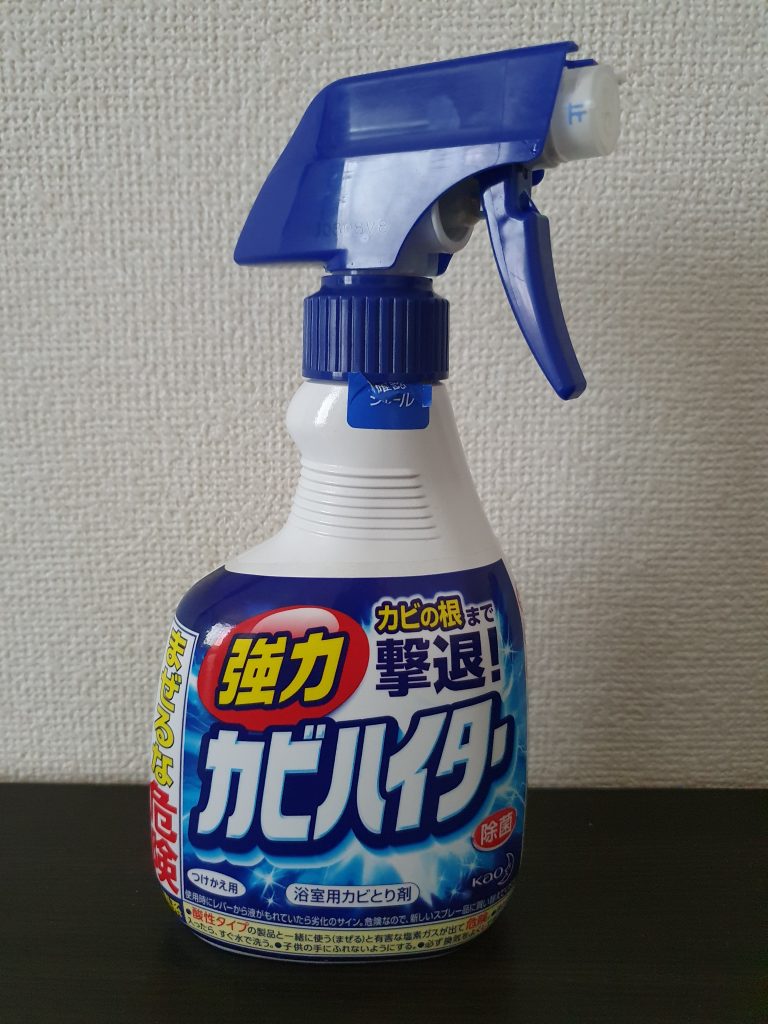
Mold grows fast in Japan’s humidity.
- Use it as soon as you see mold
- Strong smell (bleach-like), so ventilate well
Trust me — don’t ignore mold early on.
2. Washing Machine Cleaner
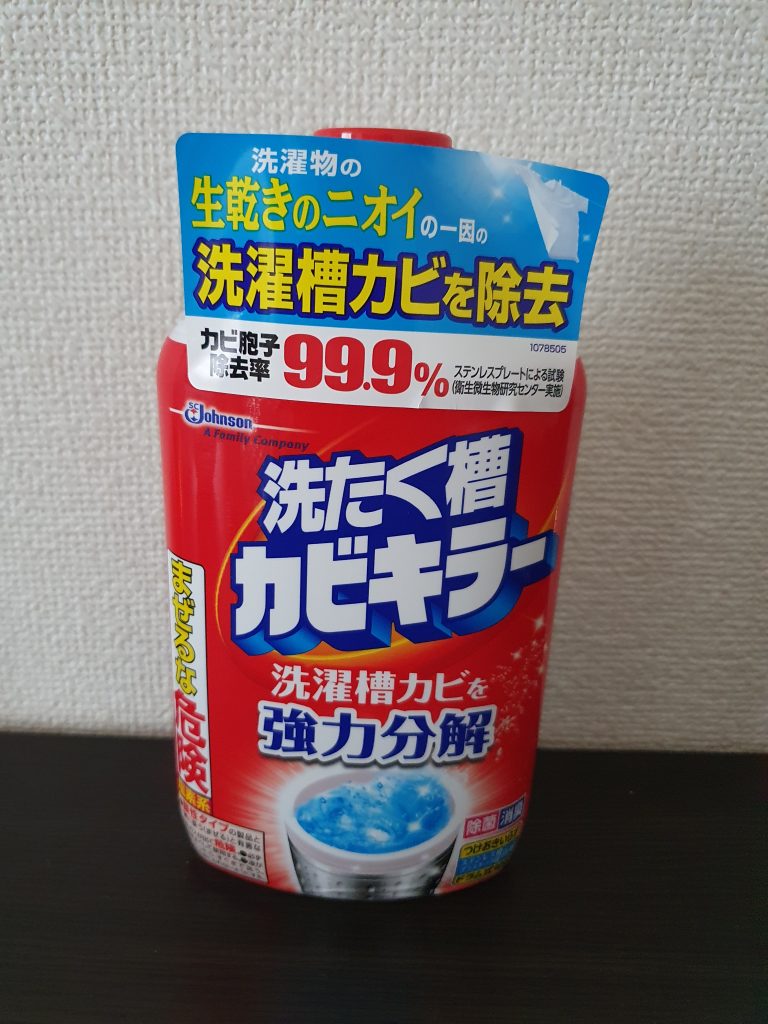
Yes — your washing machine can get mold too.
- Use a cleaner regularly
- Leave the lid open after use
During rainy season, I use this monthly.
3. Closet Dehumidifier
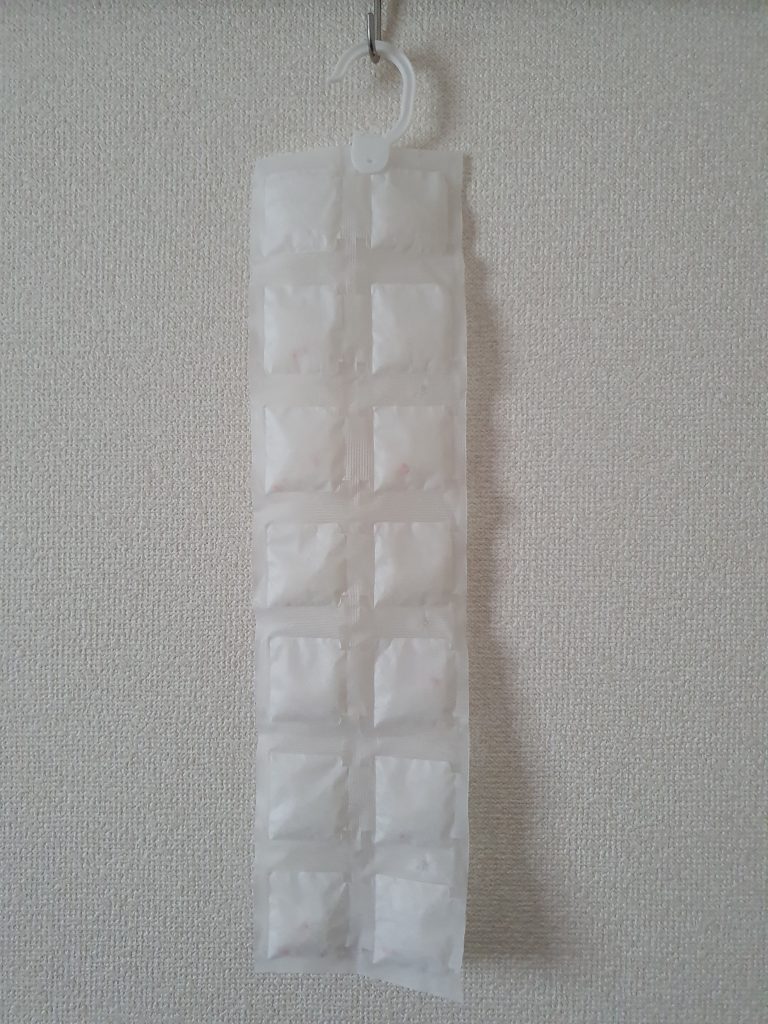
A must-have.
- Reusable options available
- Prevent mold on clothes
- Cheap and easy to find (e.g. Daiso)
4. Use Aircon Dry Mode (除湿)
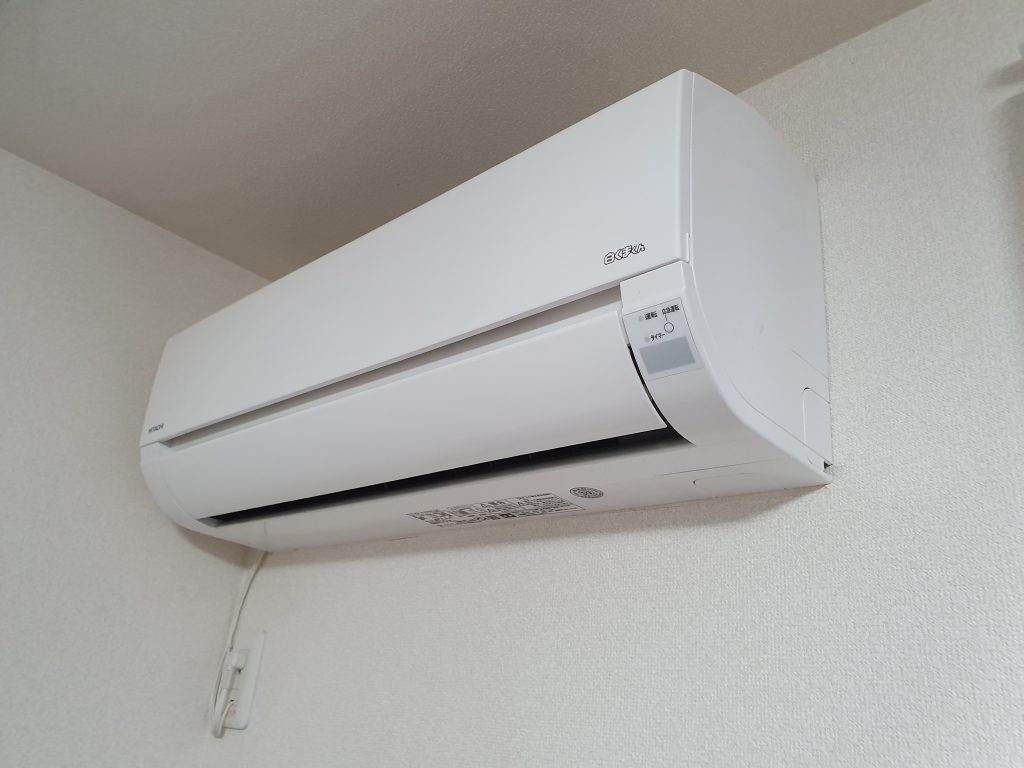
This is a game changer.
- Removes moisture from the air
- Helps prevent mold
- Speeds up laundry drying
Use for a few hours a day — not all day (your electricity bill will hurt).
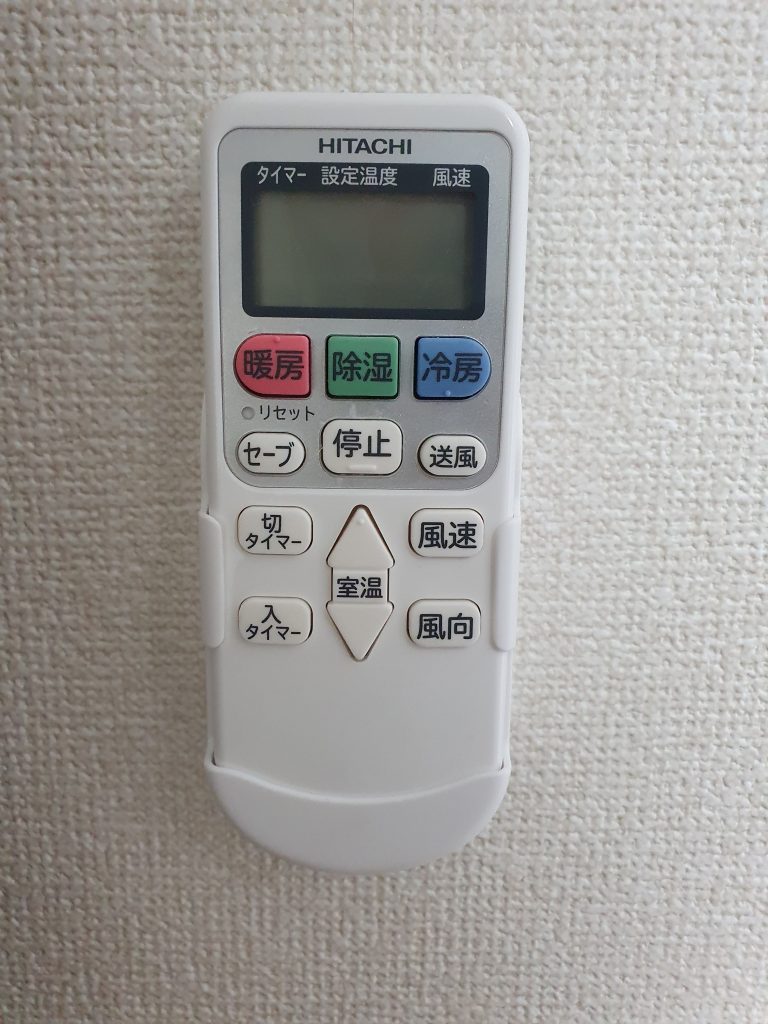
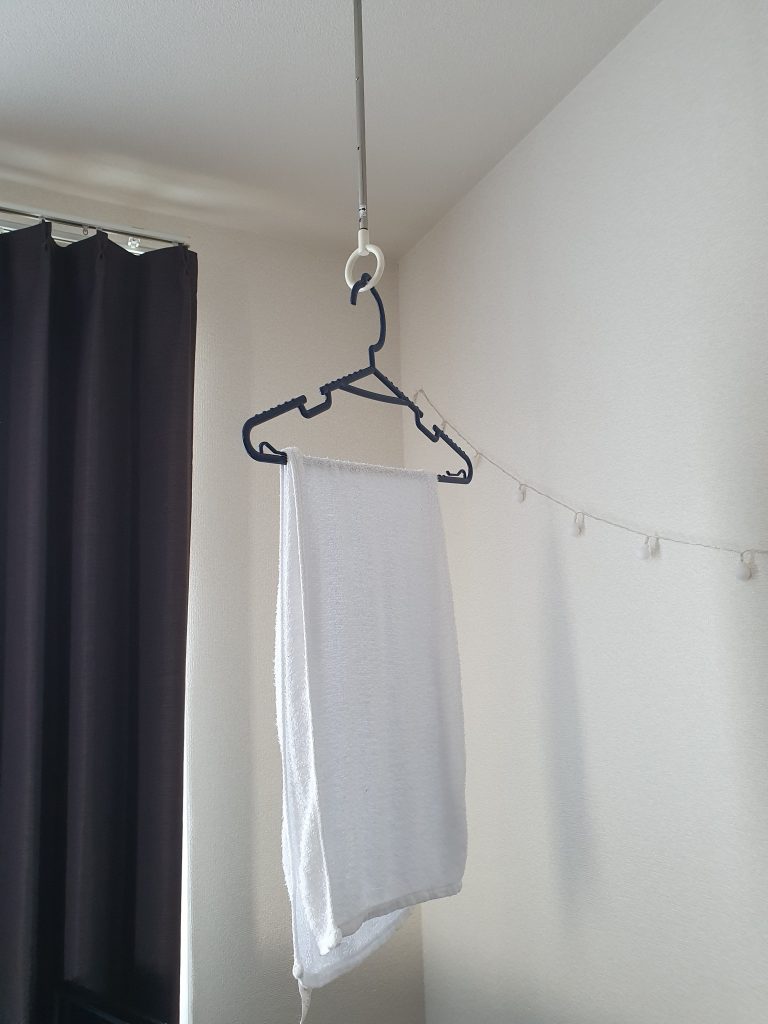
5. Indoor Laundry Setup
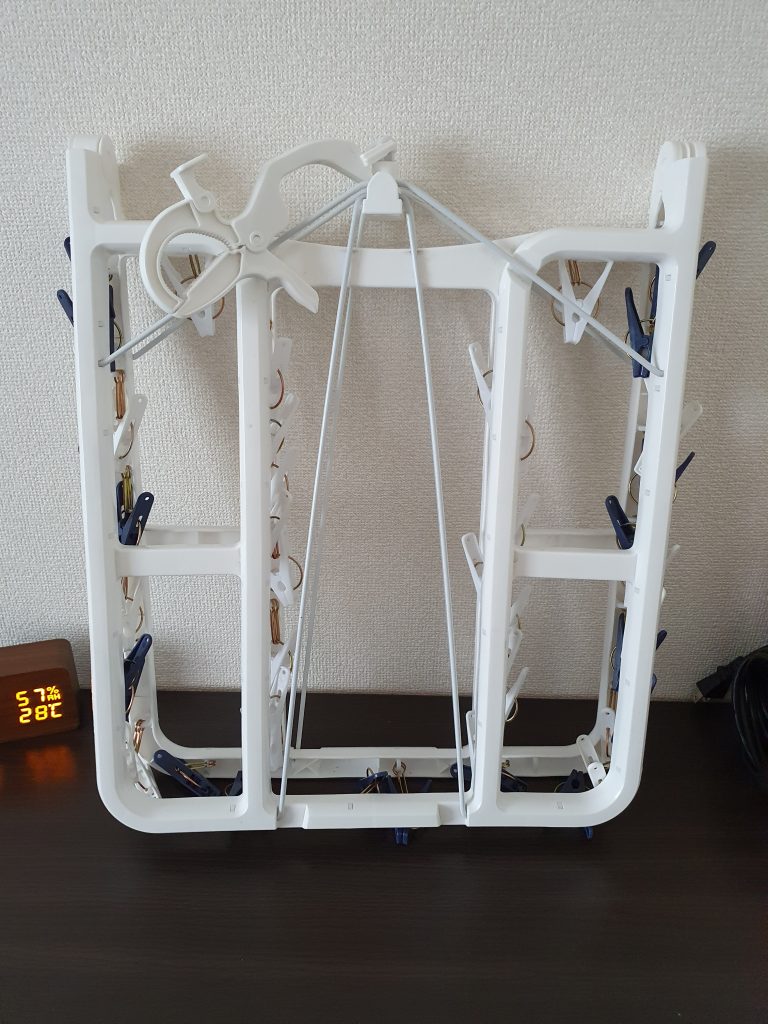
Drying clothes outside isn’t realistic.
- Use indoor hangers
- Combine with aircon dry mode
Most Japanese homes are designed for this.
Things to Do During Rainy Season
♨️ Visit an Onsen
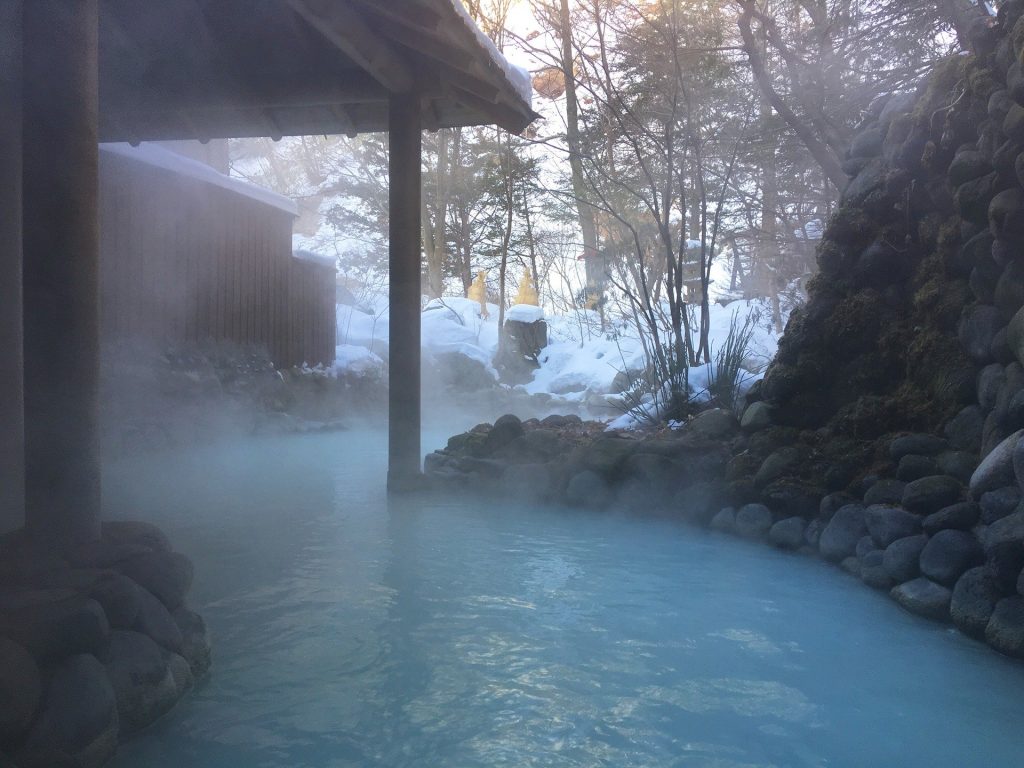
One of the best experiences.
- Sit in hot water
- Watch the rain fall
- Cool down between dips
Surprisingly relaxing.
Visit Kamakura (Hydrangea Season)
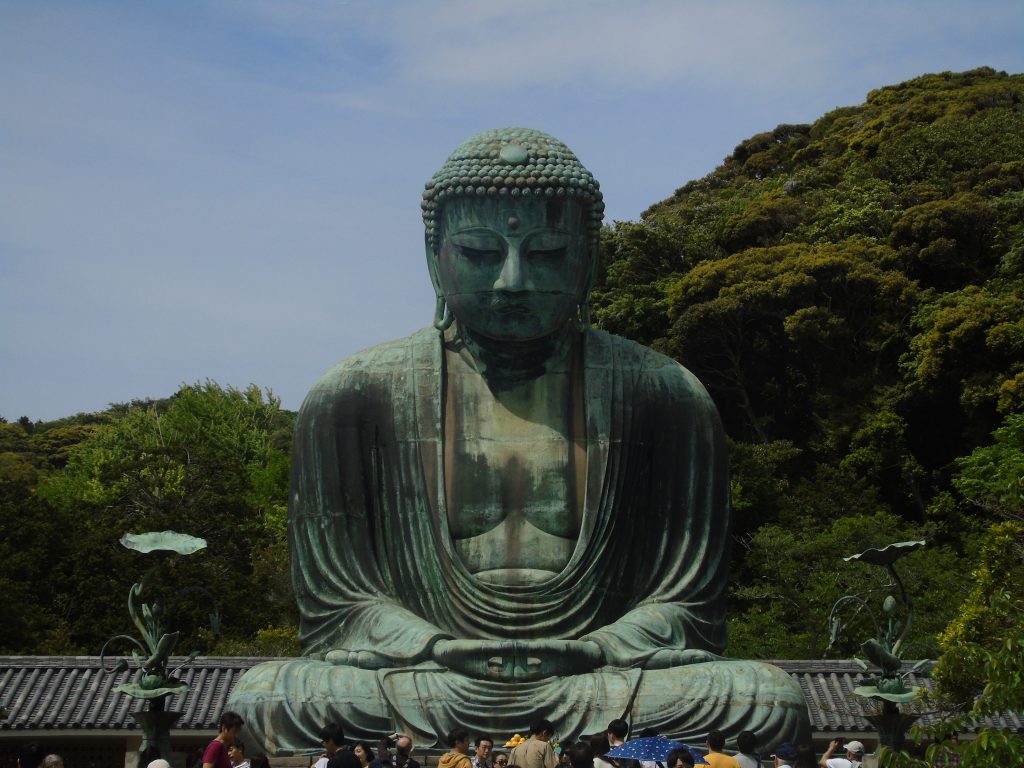
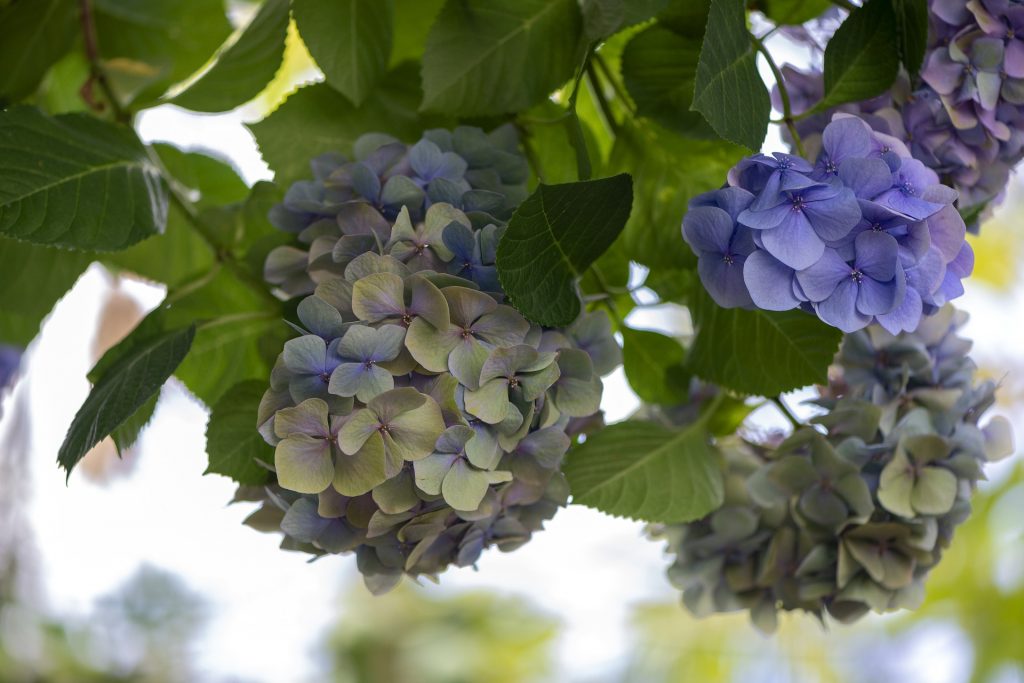
Rain actually makes hydrangeas more vibrant.
Kamakura is one of the best places to see them.
Travel to Hokkaido

The least affected region.
Bonus:
- Great time to explore
- Fewer crowds
Final thoughts
Japan’s rainy season isn’t the easiest time —
but it’s manageable with the right setup.
For me, it’s actually become something I enjoy:
- Quiet rainy days
- Hydrangea season
- Onsen trips
Prepare properly, and it becomes part of the experience — not a problem.
For more on Japan make sure to check out my other blog posts: