Climbing Mount Fuji at Night: My Experience + 10 Things I Wish I Knew
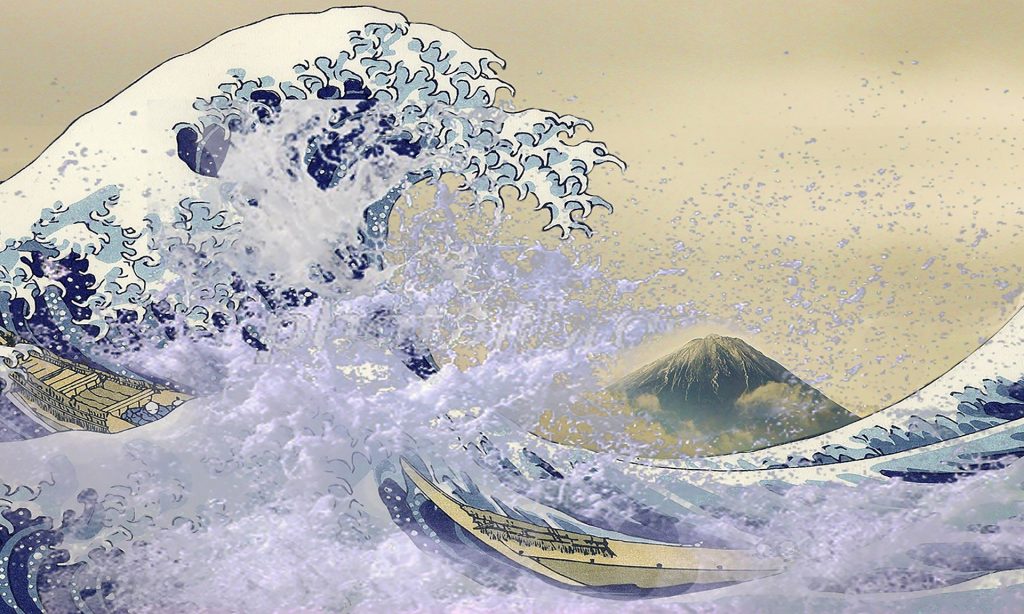
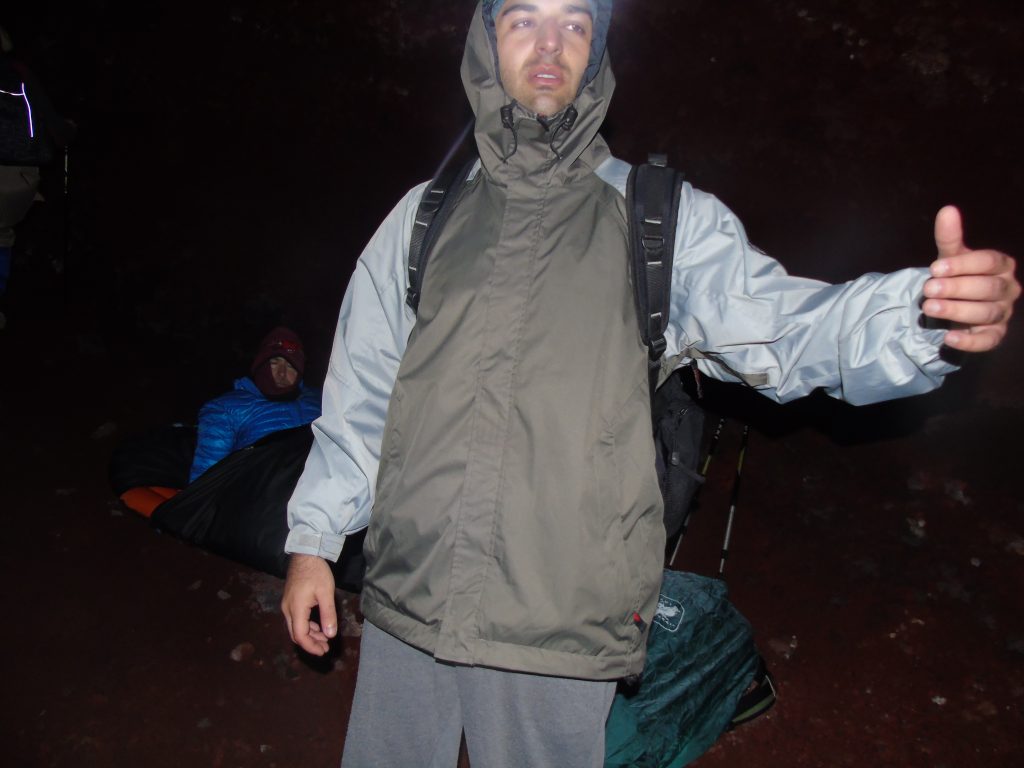
Climbing Mount Fuji at night was one of the most memorable—and brutal—experiences of my life.
In this post, I’ll walk you through my climb, what went wrong, what went right, and the things I wish I knew before attempting it.
The Night We Decided to Climb
Early August, right in the middle of peak season, I set out with a few friends to climb Mount Fuji.
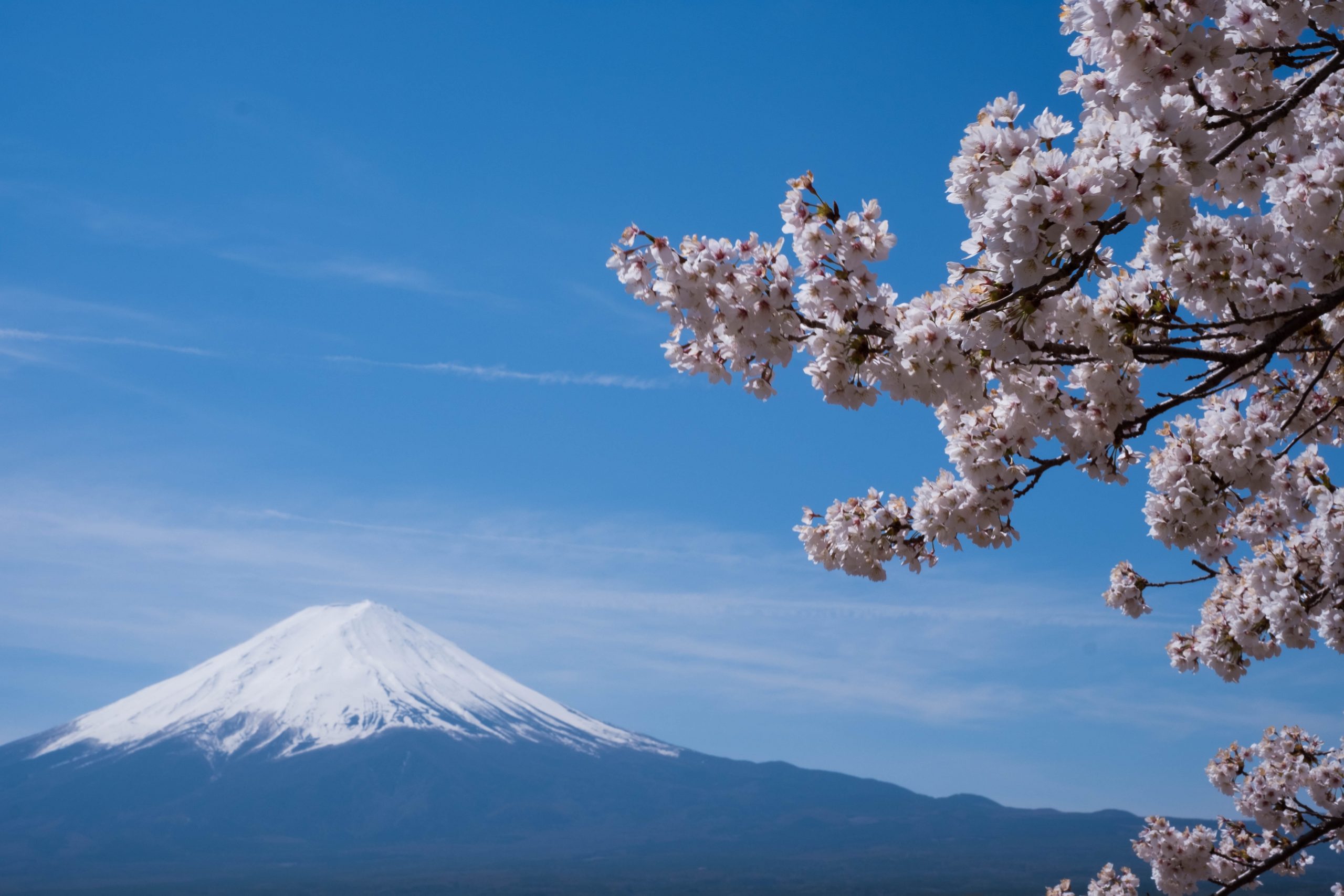
Up until that moment, Fuji had always felt… distant. Something you see in films, postcards, or perfectly framed Instagram shots.
Seeing it in person was different.
Massive. Quietly intimidating. Almost unreal.
At 3,776 meters, it’s Japan’s highest mountain—and still technically active, last erupting in 1707.
We decided to climb overnight to catch the sunrise at the summit—something known in Japan as “Goraikō” (ご来光), meaning the arrival of light.
Starting at the 5th Station
Like most people, we started from the 5th Station.
At first, everything felt easy.
We were laughing, taking pictures, full of energy.
“This isn’t so bad,” we thought.
That feeling didn’t last long.
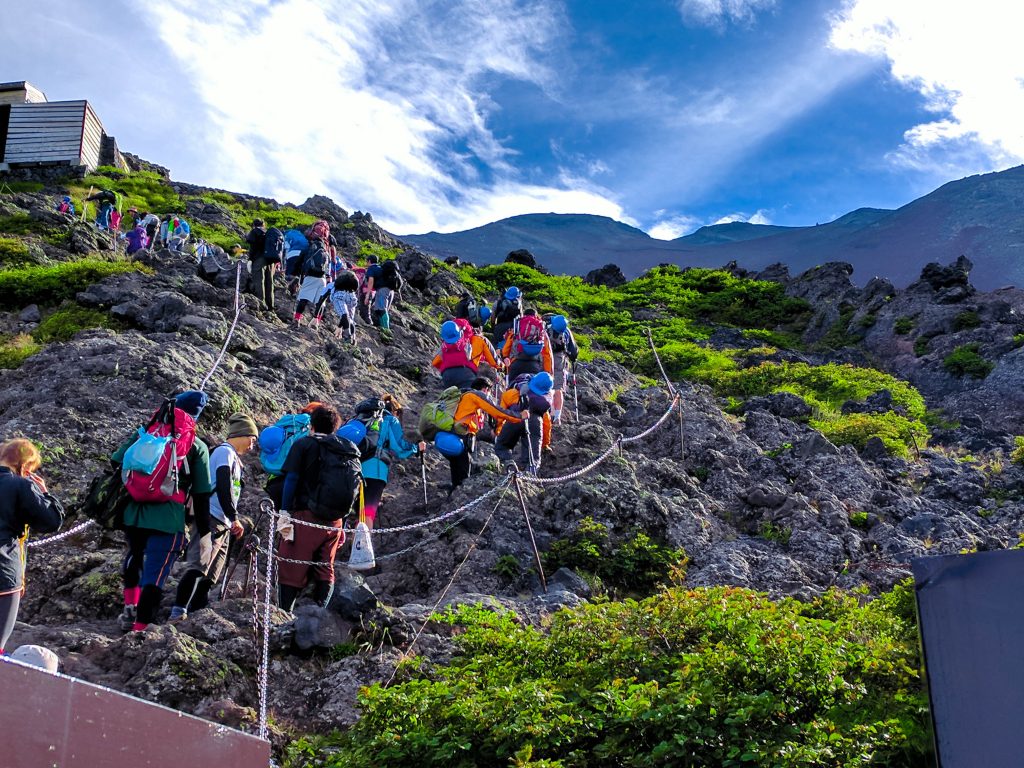
The Climb Gets Real
With each station, the climb got steeper.
The air got thinner.
The paths got narrower.
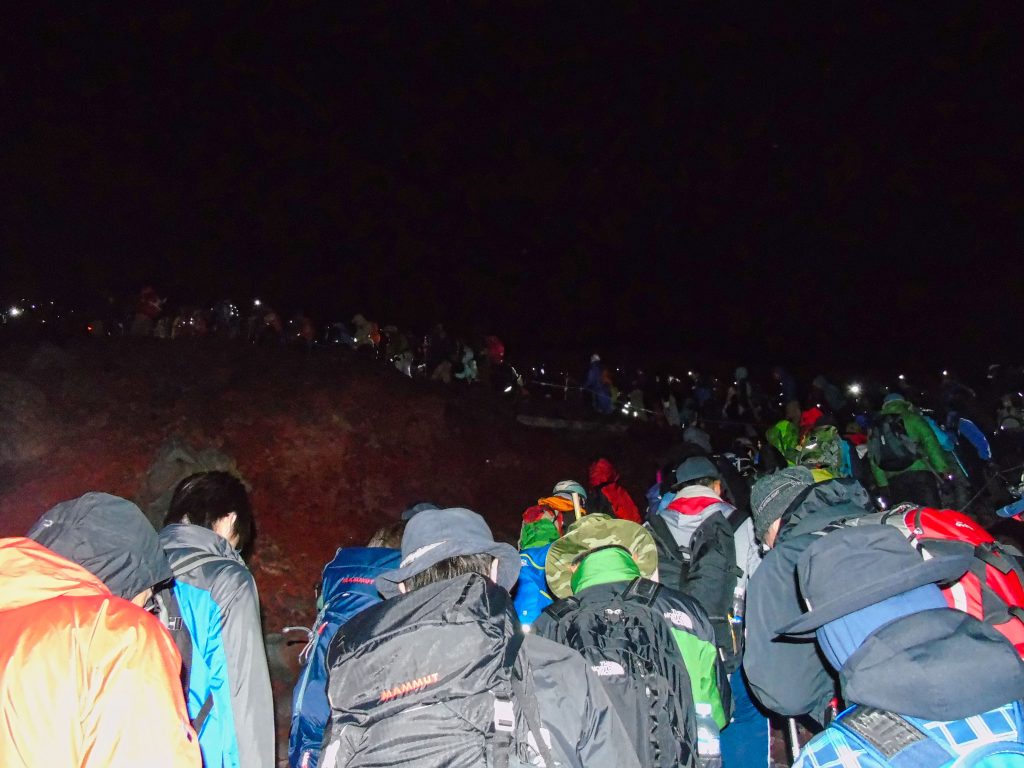
And the crowds… worse.
Long lines of slow-moving hikers made it incredibly difficult to keep pace. At times, it felt like we were stuck in traffic—on a mountain.
We made the mistake of trying to push through, even taking riskier routes just to make up time. Looking back, it wasn’t worth it.
You’ll hear people say “sugoi” (amazing) as you climb.
At that point, it felt more like survival than anything amazing.
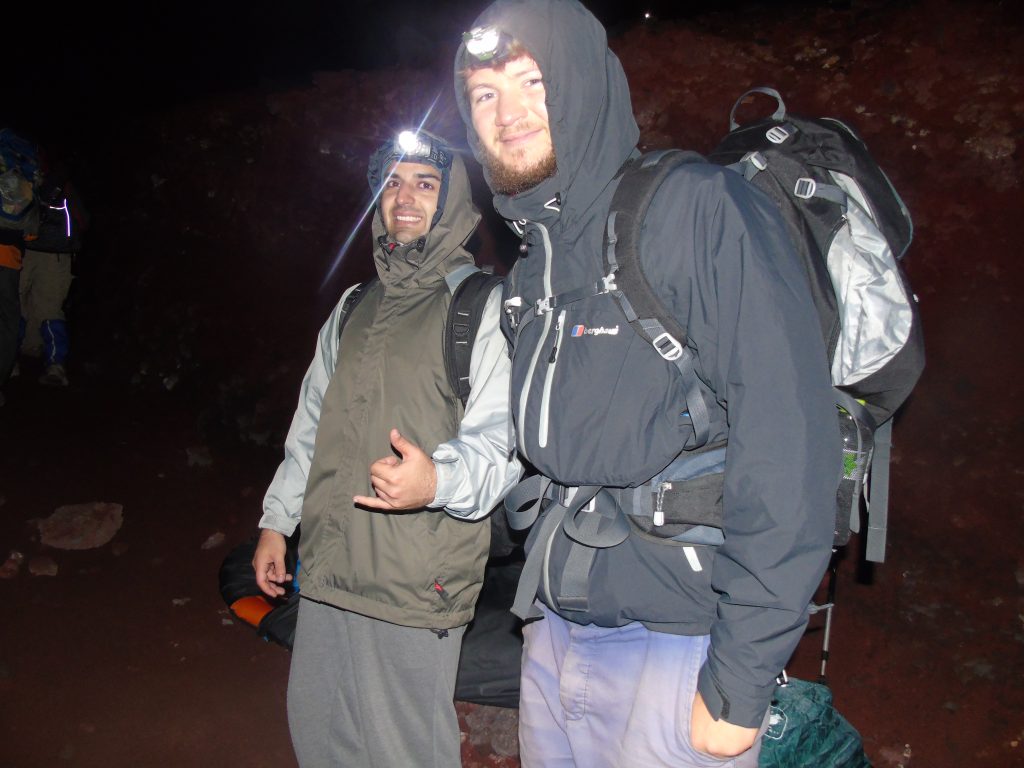
Skipping Rest Stops (Big Mistake)
Each station has small huts offering food, drinks, and a place to rest.
We skipped them.
We were too focused on reaching the summit before sunrise.
That was a mistake.
By the time we reached the upper stations:
- Legs were gone
- Head pounding (altitude kicking in)
- Energy completely drained
If there’s one thing I’d change—it’s this.
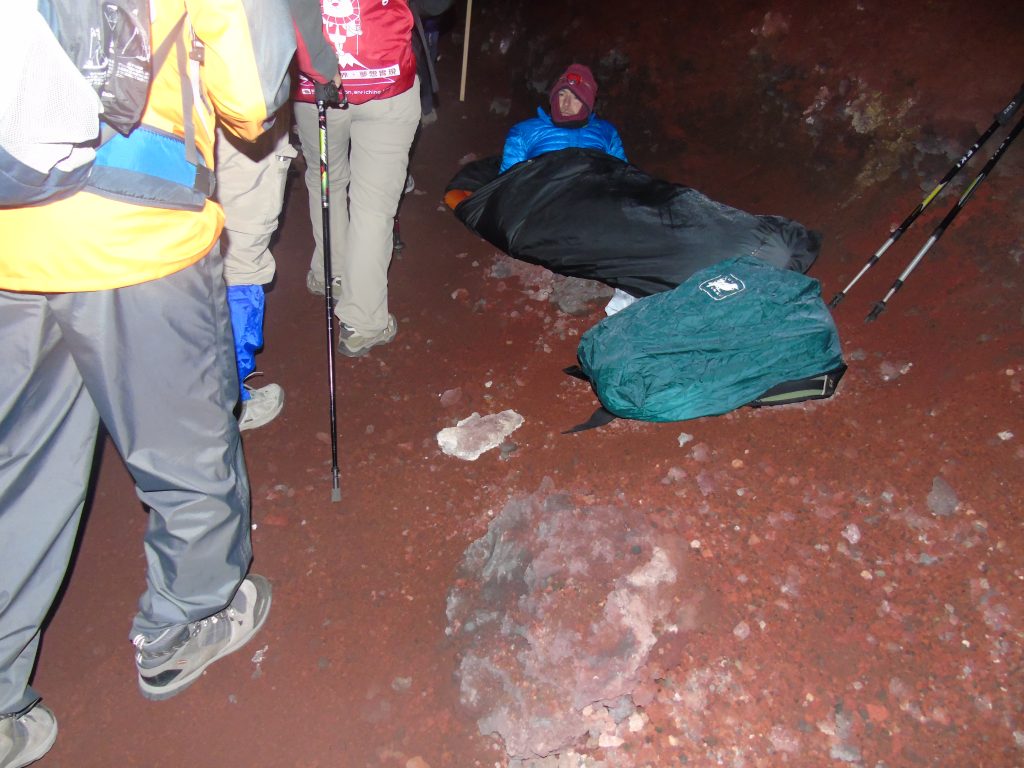
The Final Push to the Summit
As we got closer, the sky began to change.
Hints of orange and purple started breaking through the darkness. The wind picked up, and the temperature dropped sharply.
The line slowed to a crawl.
At that moment, frustration kicked in.
We had come this far—we had to make it.
Running on:
- One bottle of water
- A couple of steamed buns
- Zero sleep
…we forced our way through the crowd.
Not my proudest moment—but at that point, exhaustion takes over logic.
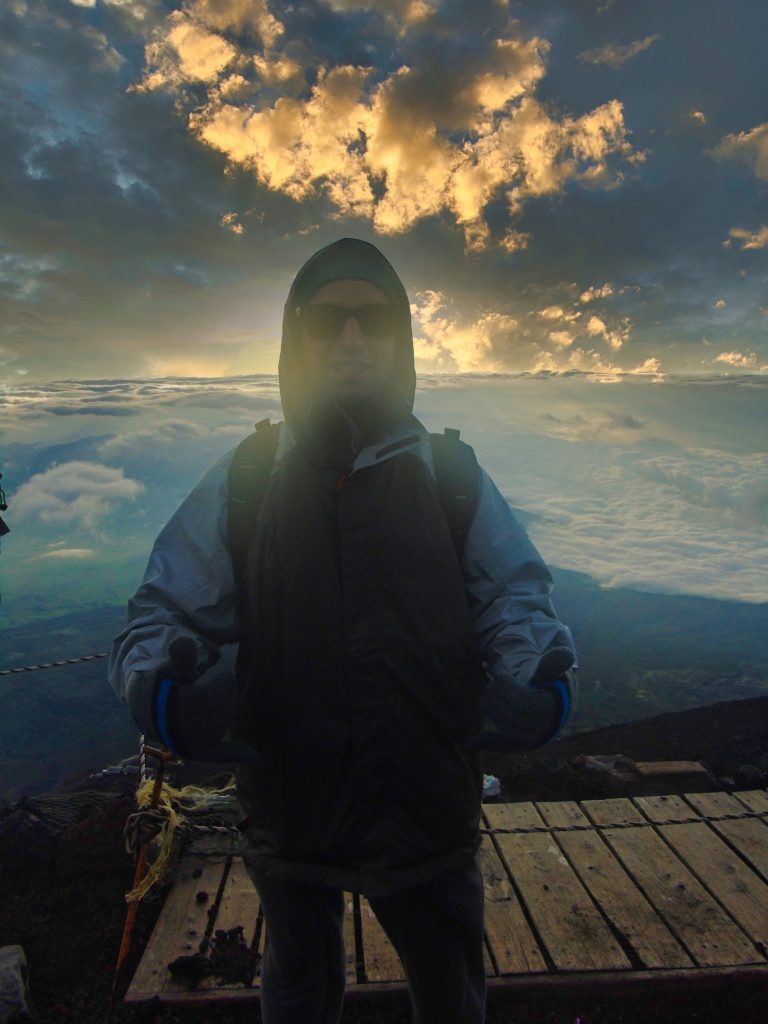
Sunrise at the Summit (Worth It?)
We made it.
Walking through the gates at the top felt surreal.
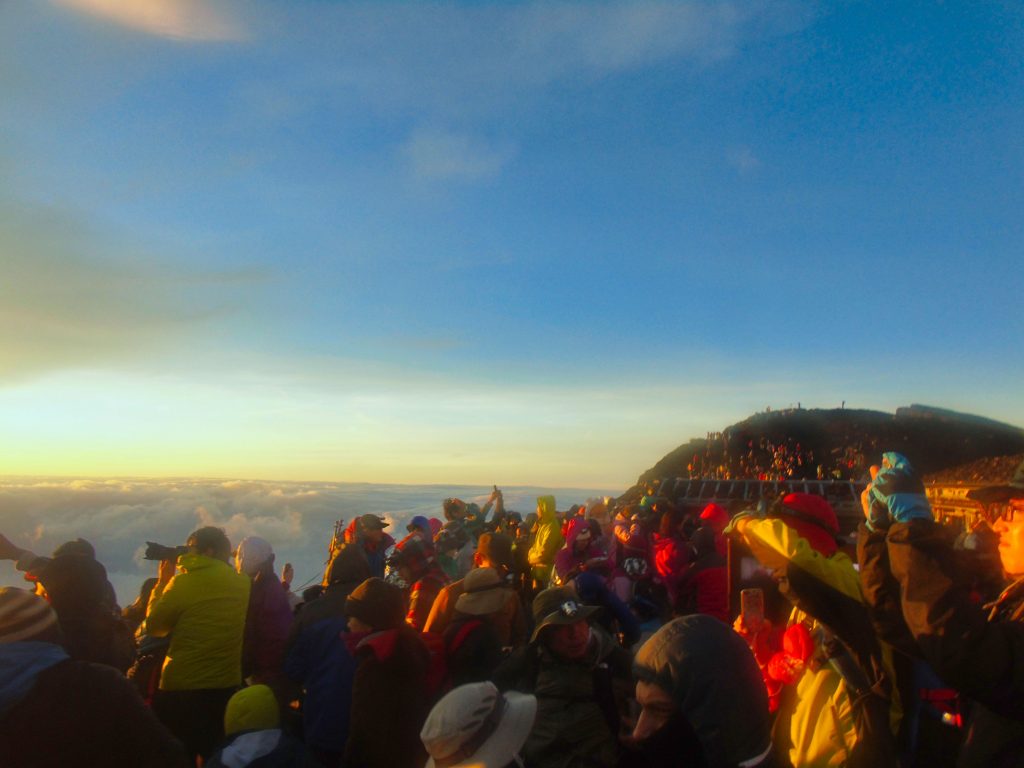
People had already taken the best viewing spots, but I managed to squeeze in behind someone shorter than me—small victories.
Then the sun rose.
And everything changed.
People clapped.
Some cried.
Couples hugged.
That moment… silence, warmth, and a strange sense of peace.
For a brief second, all the pain disappeared.
Was it worth it?
Yes.
The Descent (Worse Than the Climb)
The way down was brutal.
Loose gravel, steep slopes, and legs that no longer worked properly.
I slipped. Fell. Got up. Repeated.
At one point, I genuinely thought:
“This is worse than going up.”
By the time we reached the bottom, I sprinted to the nearest vending machine and downed four bottles of sports drink like my life depended on it.
The people about to start their climb looked at me like I’d just come back from war.
Honestly… fair enough.
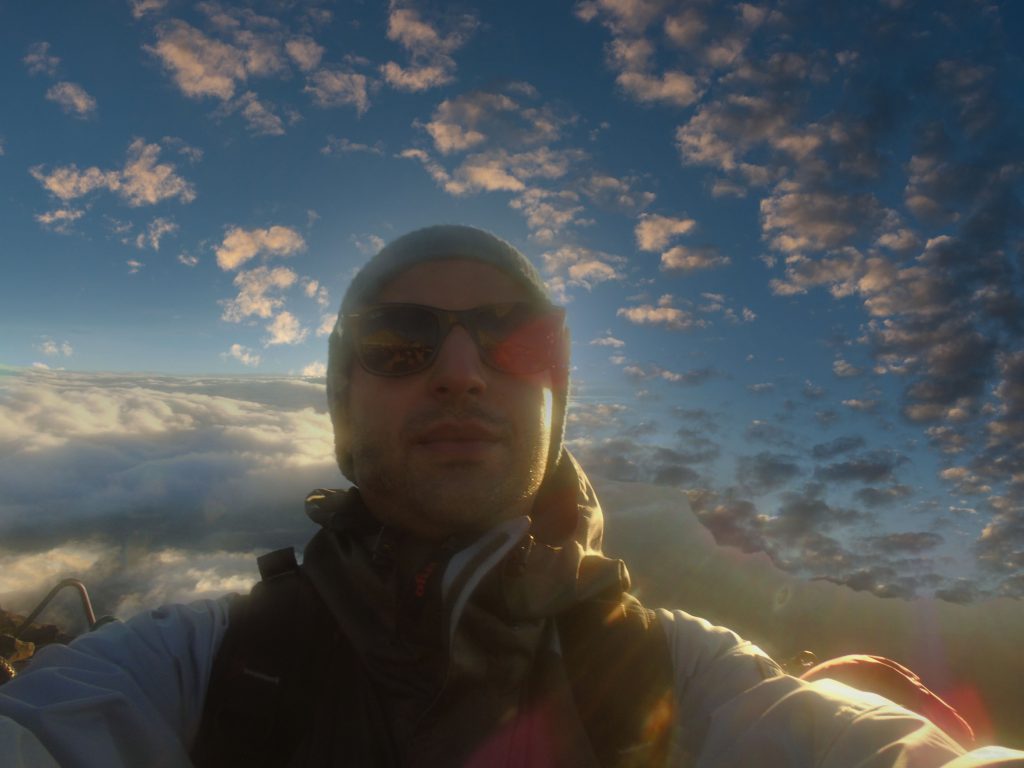
Would I Do It Again?
There’s a famous Japanese saying:
“He who climbs Mount Fuji once is wise. He who climbs it twice is a fool.”
I understand it now.
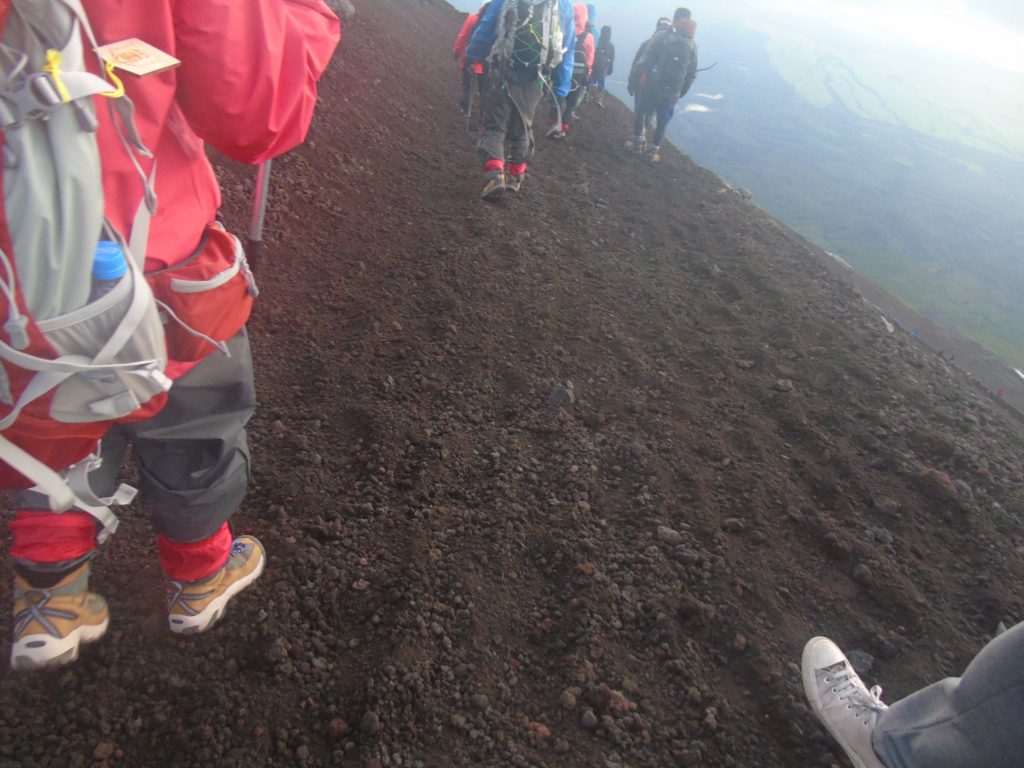
The climb down.
10 Things I Wish I Knew Before Climbing Mount Fuji
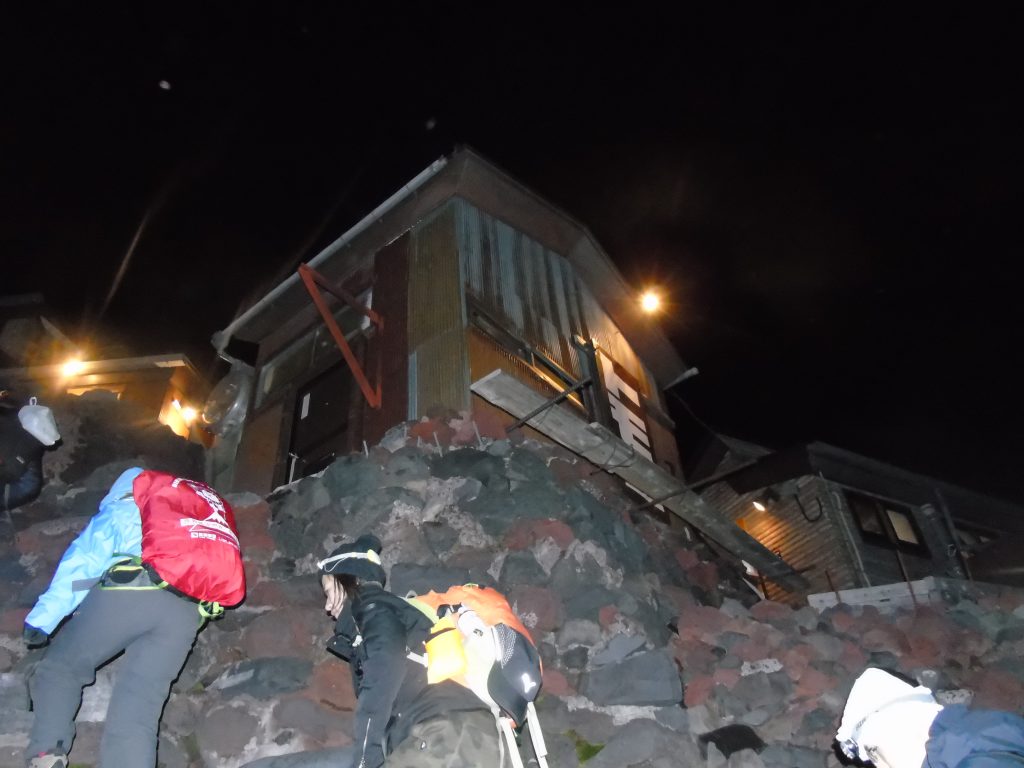
1. Climbing Season Is Short (July–September)
Peak season = August = crowds.
For fewer people, aim for:
- Late September
- Early July
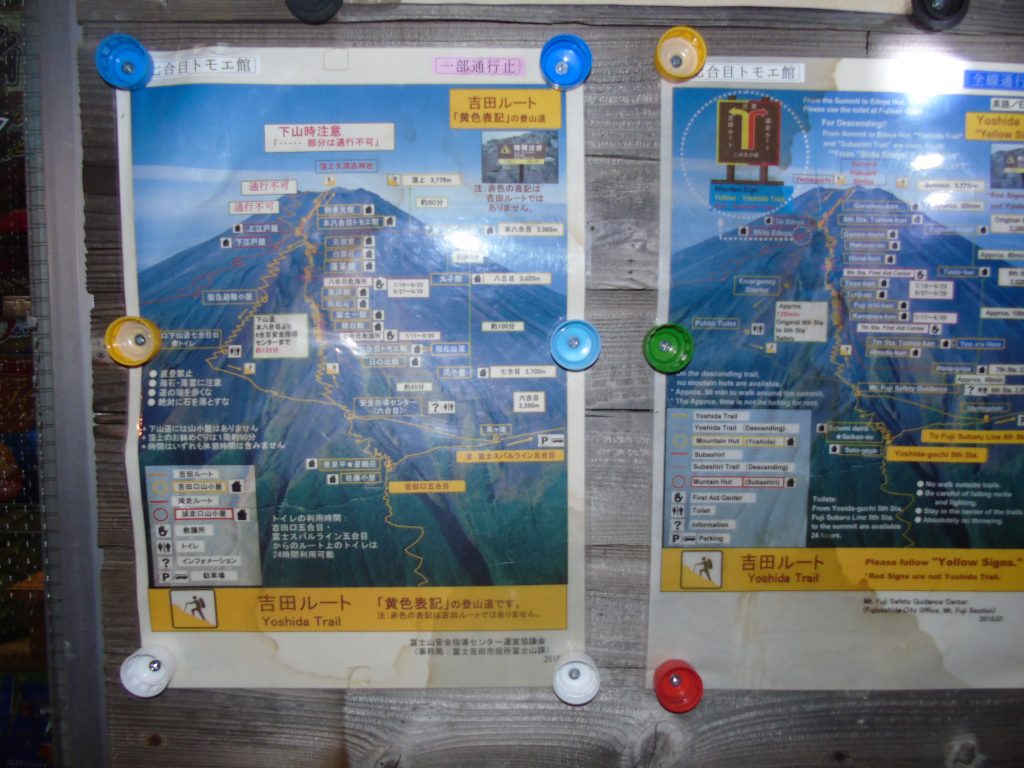
2. There Are Four Trails
Most popular: Yoshida Trail (what I took)
- 6–7 hours up
- 4–5 hours down
- Extremely crowded near summit
Other trails:
- Fujinomiya (shortest but steep)
- Subashiri (forest start)
- Gotemba (longest and hardest)
Beginners: stick with Yoshida.
3. Pack Properly (Don’t Be Me)
Bring:
- 1–2 litres of water minimum
- Warm layers (it gets cold even in summer)
- Headlamp (essential for night climb)
- Snacks
Optional:
- Oxygen cans (altitude sickness is real)
4. Night Climb ≠ Guaranteed Sunrise
Crowds can delay you.
You might miss it even if you start early.
5. Toilets Cost Money
Bring coins (¥100).
Also:
No toilets during descent until much lower down.
6. Use the Rest Huts
Seriously.
Skipping them = exhaustion, cramps, and regret.
7. Bring Cash (¥2000–¥3000)
Food, drinks, toilets—all cost money.
And yes… it’s expensive up there.
8. The Descent Is Brutal
It’s:
- Slippery
- Long
- Mentally draining
Rest before heading down.
9. Salt Tablets Help
Cramps hit hard on Fuji.
Salt tablets can genuinely save you.
10. Train Before You Go
Don’t underestimate it.
At least:
- 10km runs
- 2–3 times a week
- For 4–8 weeks
Cardio + leg strength = survival
For more information I would suggest you check out the official Mt. Fuji website.
Official Website for Mt. Fuji Climbing
Final Thoughts
Climbing Mount Fuji isn’t just a hike—it’s a test.
Of:
- Endurance
- Patience
- Mental strength
It’s tough. At times miserable.
But standing at the top, watching the sun rise over Japan…
that’s something you don’t forget.