

5 Tips to Pass the JLPT (Japanese Language Proficiency Test)
If you’re preparing for the Japanese Language Proficiency Test (JLPT), you’ve probably realised one thing:
It’s not just about studying — it’s about studying smart.
The JLPT is a multiple-choice exam designed to assess your:
- Vocabulary
- Grammar
- Reading
- Listening
It does not test writing or speaking.
In this guide, I’ll share 5 practical tips that helped me prepare for the JLPT — simple, realistic strategies you can actually stick to.
What is the JLPT?
The JLPT is the most widely recognised Japanese language exam in the world, with over 600,000 candidates annually.
You don’t need to be in Japan to take it — it’s available in over 80 countries worldwide.
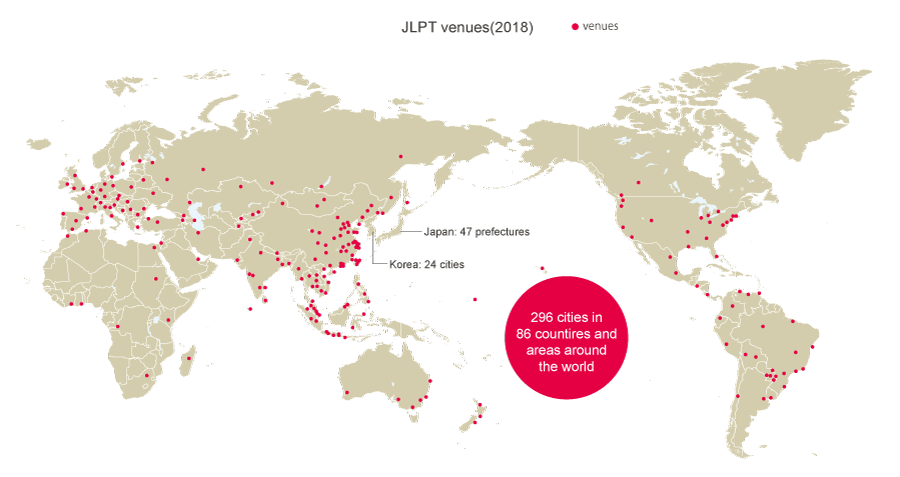
JLPT Levels Explained
There are 5 levels:
- N5 – Beginner
- N4 – Elementary
- N3 – Intermediate
- N2 – Upper Intermediate
- N1 – Advanced
Each level follows the same format:
Multiple-choice questions across reading, vocabulary, and listening.
Why Take the JLPT?
People take the JLPT for different reasons:
- To work in Japan
- To study at a Japanese university
- To improve career opportunities
- Or simply to measure their progress
For certain professions (e.g. engineering or healthcare), N1 level may be required.
5 Tips to Help You Pass the JLPT
Now lets get into the tips…
🗓️ 1. Plan Your Study Schedule
This is the most important step.
Without a plan, it’s easy to fall behind or focus too much on one area.
A simple weekly structure could look like:
| Monday | Study kanji and vocabulary (Use textbook and JP sensei app) |
| Tuesday | Study Vocabulary (use japanesepod101) |
| Wednesday | Grammar and reading practice (Use textbook and TODAI app) |
| Thursday | Listening practice (Youtube and japanesepod101) |
| Friday | Go through the week’s notes |
| Saturday | Practice Test (Focus on the week parts) |
| Sunday | FREE |
Even 1–2 hours a day is enough if you stay consistent.
📺 2. Use YouTube for Free Learning
There’s a huge amount of free JLPT content on YouTube.
One useful channel is:
Japanese with Yuka
She explains grammar in Japanese, which also helps with listening practice.
Tip: Don’t rely only on one source — explore different channels.
📚 3. Use the Right Textbooks
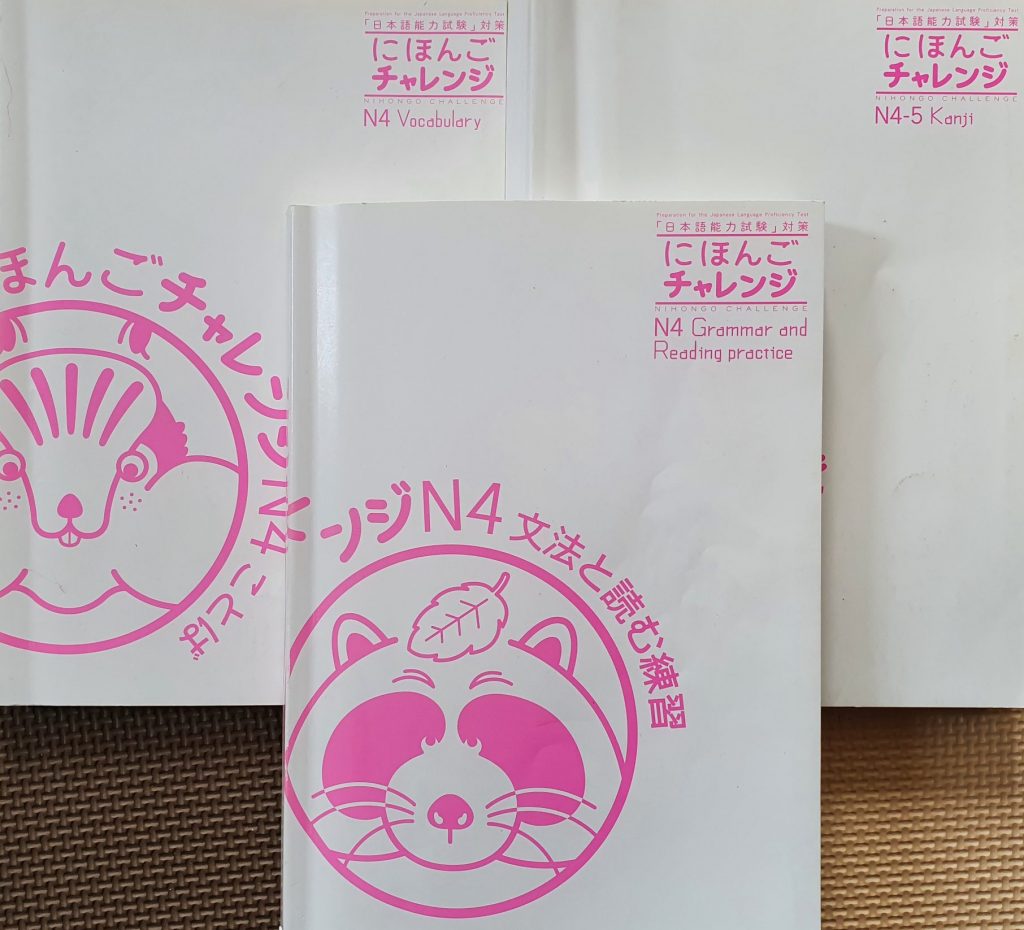
Textbooks are still valuable, even with so many online resources.
Some good options include:
- Nihongo Challenge (great for practice questions)
- Genki Series (ideal for beginners – N5/N4)
- Shin Kanzen Master Series (best for N3 and above)
Choose based on your level and learning style.
🔁 4. Stay Consistent
Consistency matters more than intensity.
You don’t need to study for 5 hours a day — but you do need to show up regularly.
- Missed a day? That’s fine
- Just don’t let it turn into a habit
Make studying enjoyable, not exhausting.
📝 5. Take Practice Tests Regularly
Practice tests are essential.
They help you:
- Track your progress
- Identify weak areas
- Get used to exam format
Useful apps include:
- Migii JLPT
- Todai Easy Japanese
These apps provide feedback and help you focus on weaker sections.
Final Thoughts
Passing the JLPT isn’t about being perfect — it’s about being prepared.
If you:
- Follow a structured plan
- Stay consistent
- Use the right resources
You’ll put yourself in a strong position to pass.
Most importantly:
Make the process enjoyable.
That’s what keeps you going long-term.
JLPT Details / Dates and for booking check out the JLPT website.
If you enjoyed 5 Tips That Will Help You Pass The JLPT make sure to check out: